
Curious,capable,building.
Five one-month courses, taken in order.
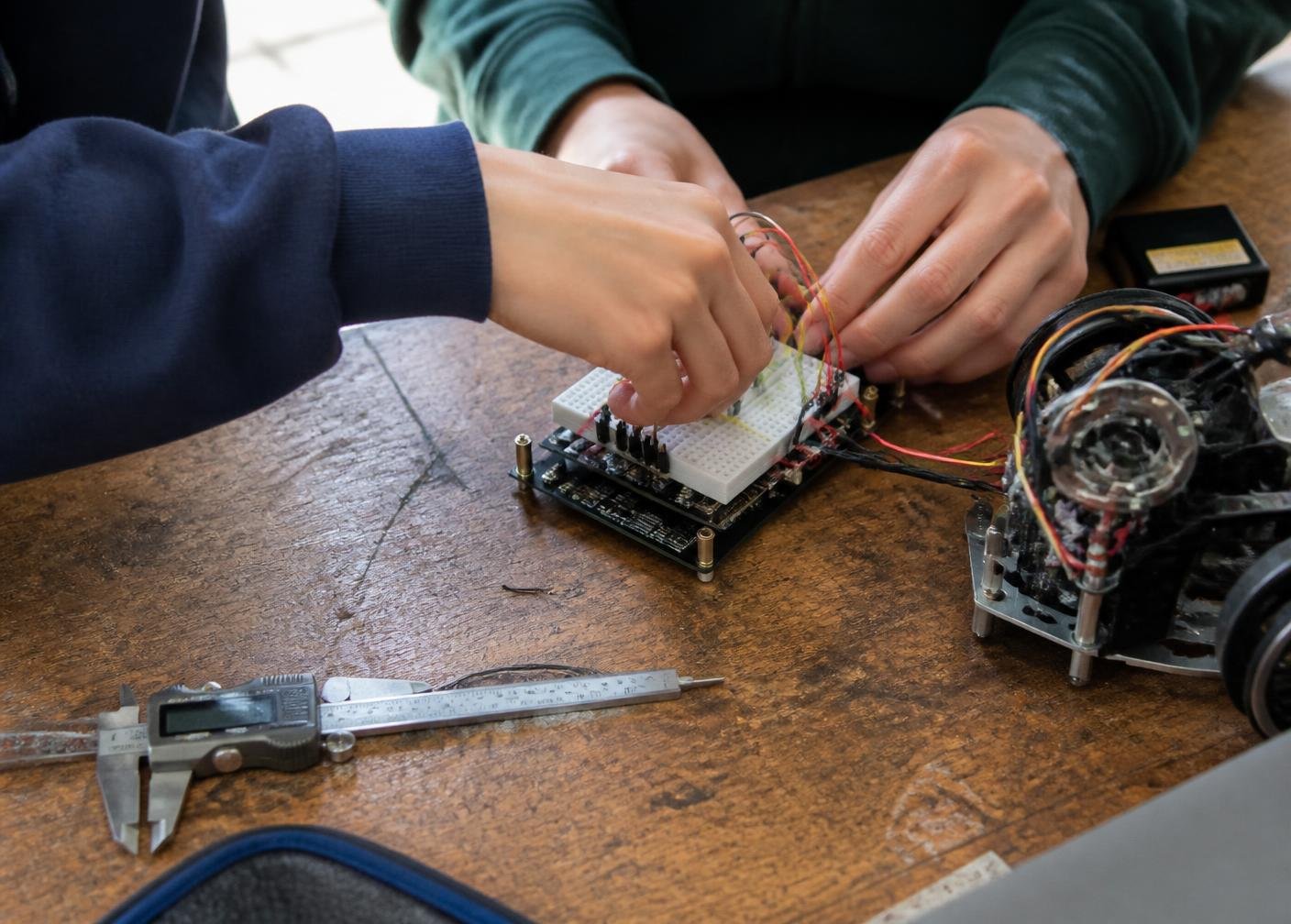
Each course assumes the one before it and hands off to the one after. A student starts by turning a sketch into a printed part and finishes by demonstrating a working electromechanical device aimed at a real problem in the valley.
At aglance.
- 5
- coursesCAD through a mechatronic capstone, taken in order
- 1 mo
- per course~20 sessions — weekday evenings, full-day weekends
- ~15
- per sectionSmall enough that every student stays on the tools
- 1
- working deviceEvery student finishes with something they designed and built
Whatstudentslearn.
How thecoursesrun.
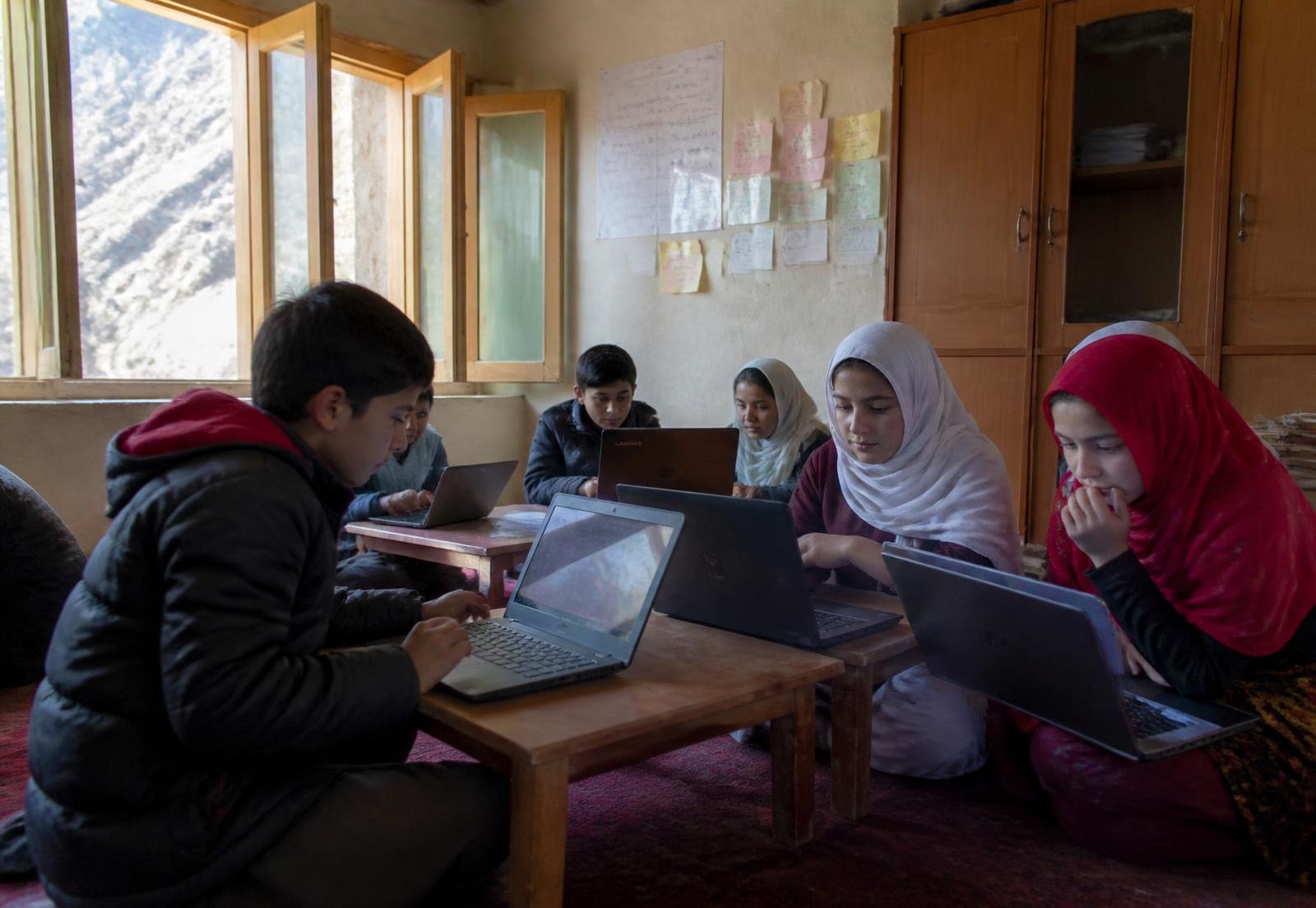
~15 students per class section
COHORT SIZE
Urdu-focused, with English for technical terminology and tools
LANGUAGE
Evening sessions on weekdays, full-day sessions on weekends
SCHEDULE
CAD software, laptops, 1–2 entry-level 3D printers
CORE TOOLS
Every course ends in something a student built.
Capstone projects are pointed, where possible, at real problems in Hunza — not textbook exercises.
Three tracks,one program.
The free Hunza course is the mission; the paid track funds it, and the Sandbox carries graduates on to building real ventures.
Primary — the free Hunza course.
Students in Hunza, selected through application and interview. Cohort 1 targets 50–75 students, secondary school through early college.
- Free to enrol — selected by application and interview
- Secondary school through early college
- Cohort 1: 50–75 students
Secondary — paid courses that fund the mission.
Students elsewhere in Pakistan, via paid courses and — from Year 2 — a paid 15-day Hunza immersion. A funding mechanism, not a separate mission.
- Same curriculum, delivered outside the valley
- Year 2: optional 15-day Hunza immersion
- Revenue funds the free track
Tertiary — graduates building ventures.
Hunza program alumni turning a capstone idea into a real venture, supported through the Sandbox incubator from Year 2.
- Opens from Year 2, for program alumni
- Mentorship, workspace, route to first customers
- Aimed at real problems in Gilgit–Baltistan